Disclosure: This article contains affiliate links. If you make a purchase through these links, Miralii may earn a commission at no additional cost to you.
Documenting outdoor expeditions or creating polished studio content requires dependable optical gear and stable mounting systems. Navigating the lineup of DJI drones and cameras involves understanding distinct hardware tiers designed for specific operating environments. Whether your focus centers on lightweight flight units, stabilized ground cinematography, or modular wireless audio, matching your intended workflow to the proper tool ensures reliable capture in the field.
For readers exploring our wider coverage of tech hardware and software, portable imaging tools continue to shift toward unified accessories and versatile charging hubs. Selecting the appropriate model begins with evaluating where aerial reach ends and ground-level mobility begins.
Compact Aerial Systems: Choosing Across Drone Lineups
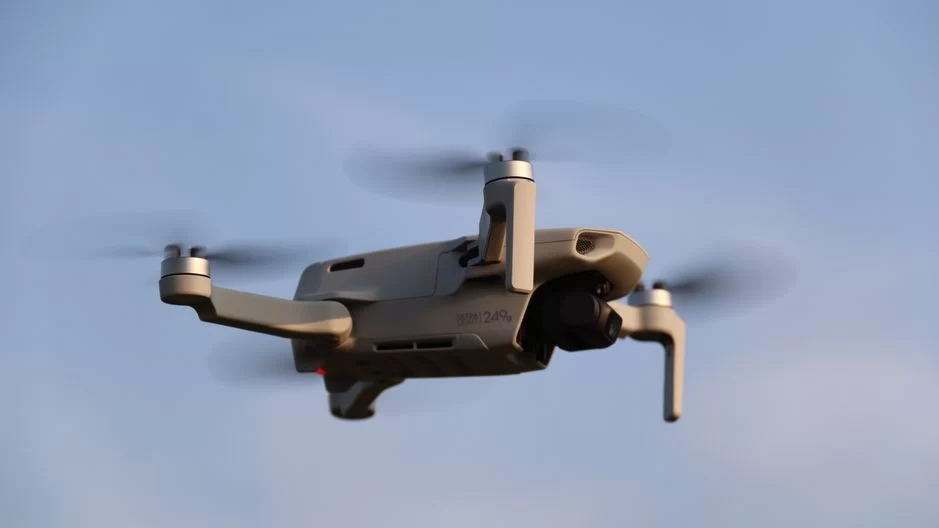
Aerial imaging ranges from featherweight everyday models to specialized flight frames. The brand divides its flight hardware into distinct series, including the Mavic, Air, Mini, Neo, and Avata lines. For creators prioritizing travel portability, sub-compact options such as the Mini 3, Mini 4 Pro, Mini 4K, and Mini 5 Pro emphasize reduced frame sizes alongside intelligent battery hubs and quick-release propeller guards. Newer additions like the Neo and Neo 2 offer ultra-accessible flight profiles suited for casual staging.
Creators who need immersive views or high-speed navigation can examine first-person flight hardware such as the Avata 2 and Avata 360, which pair with dedicated Goggles and specialized motion controllers. Before committing to a flight bundle, exploring available options through the official DJI store selection allows you to evaluate package configurations, multi-battery hubs, and optical filter accessories.
Handheld Stabilization and Creator Capture Tools
On the ground, handheld systems divide between rugged sports cameras and dedicated motorized gimbals. The Osmo Action series, spanning the Action 4, Action 5 Pro, and Action 6, features durable housings tailored for mounting during surfing, road cycling, skiing, and diving. These action units are commonly distributed in Essential or Adventure Combo packages that package extended battery enclosures and extension rods.
For mobile vlogging where compact optical quality matters more than waterproofing, the Osmo Pocket 3 incorporates integrated physical gimbal stabilization into a pocketable form factor. When paired with the Creator Combo, it delivers a turnkey mobile production setup. Creators shooting directly on smartphones instead rely on the Osmo Mobile family, including the Mobile 6, Mobile SE, Mobile 7, and Mobile 8, which integrate mechanical balancing directly with mobile operating software.
Matching Hardware to Real-World Capture Scenarios
Selecting the right hardware configuration depends heavily on physical handling requirements and field conditions:
- High-Impact Movement: Choose the Osmo Action series with dedicated adhesive mounts or extension rods when recording mountain biking, surfing, or snow sports.
- Run-and-Gun Travel Vlogging: The Osmo Pocket 3 or Osmo Nano provides active gimbal dampening without the footprint of heavy cinema rigs.
- Aerial Landscape Coverage: The Air 3S and Mini series provide steady overhead angles, wide-angle lens attachments, and multi-battery charging hubs for remote locations.
- Professional Studio Stabilization: Camera operators managing heavier mirrorless bodies can look to the RS 4, RS 4 Pro, RS 4 Mini, or RS 5 gimbal stabilizers for mechanical camera control.
Deciding between standalone units and multi-accessory packages comes down to remote shooting stamina. Reviewing inventory across the curated DJI handheld collection helps identify which combos bundle necessary carrying cases and extra power packs.
Audio, Power, and Hardware Considerations for DJI Drones and Cameras
Audio recording and off-grid power management remain essential for complete field kits. Wireless systems such as the DJI Mic 2, Mic 3, and Mic Mini feature paired transmitters, receivers, and dedicated charging cases to manage clear sound recording alongside video units. For extended outdoor operations, portable power stations like the Power 1000 V2 and Power 2000 provide reliable high-output battery recharging for intelligent flight packs and cameras far from wall outlets.
Shoppers can also consider budget incentives, such as student verification savings through Student Beans or factory-checked options in the official refurbished inventory, which covers selected Mini and Air models. Taking stock of your power requirements and flight accessories guarantees your setup performs consistently from takeoff to final edit.