
Disclosure: This article contains affiliate links. When you purchase or request services through our links, we may earn a commission at no additional cost to you.
Arranging long-distance vehicle relocation often presents logistical hurdles that ordinary moving companies cannot manage directly. Whether you are moving cross-country for work, sending a car to a student, or buying a vehicle remotely, choosing the right logistics partner requires understanding how shipping arrangements actually operate. This practical Montway Auto Transport guide breaks down the essential factors every vehicle owner should inspect before handing over their keys.
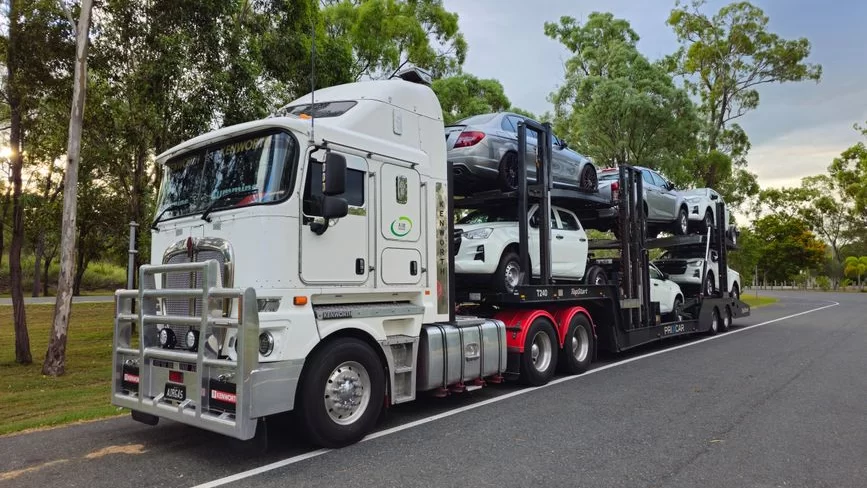
Understanding Vehicle Hauling Frameworks
Auto transport logistics generally operate through dedicated carrier networks, matching individual route requests with long-haul haulers traversing regional corridors. When organizing nationwide transit, selecting between open trailer transport and enclosed trailer solutions represents your primary technical decision. Open carriers remain standard for everyday sedans and commuter SUVs, offering practical scheduling along major transport routes.
Conversely, enclosed hauling shields valuable, rare, or classic automobiles from external road debris, inclement weather, and highway soot. If you plan to explore modern transport options for your upcoming move, you can evaluate transport options directly on their scheduling portal to review route possibilities.
Crucial Verification Steps for Vehicle Owners
Before confirming any auto shipment, car owners must prepare both their vehicle and their paperwork. Vehicle shipping entails distinct jurisdictional regulations, weight considerations, and inspection protocols that safeguard both owner and hauler. Our curated collection of practical lifestyle services in Miralii Picks frequently focuses on complex service coordination like this, where careful preparation eliminates unexpected friction.
Take time to complete these foundational verification steps before your transport date:
- Document existing condition: Clean the exterior thoroughly and photograph all angles in daylight to record pre-existing scratches, dings, or paint blemishes.
- Establish fluid and fuel levels: Maintain roughly one-quarter tank of fuel to minimize transport weight while ensuring the car can be driven on and off the carrier.
- Remove personal belongings: Auto carriers operate under Department of Transportation weight regulations; personal items left inside cabins are generally not covered by transit cargo policies.
- Inspect vehicle mechanics: Confirm battery health, tire pressure, and brake functionality so loading operators can maneuver the car safely.
Which Logistics Path Suits Your Relocation?
Different moves create vastly different transit priorities. Someone handling an urgent corporate relocation may prioritize precise scheduling flexibility, while a seasonal traveler migrating for the winter might value flexible delivery windows. Taking the time to request a transit estimate provides insight into regional lane availability, standard transit timeframes, and specific access considerations for residential drop-offs.
Remember that residential streets with low-hanging power lines, tight cul-de-sacs, or strict municipal parking rules may prevent a multi-car carrier from reaching your driveway directly. In such circumstances, coordinating a convenient transfer at a nearby open commercial parking lot ensures smooth vehicle handover without risk to equipment.
Key Inquiries to Resolve Before Final Booking
Every reputable transport broker or carrier should offer transparent communication regarding their carrier vetting process. When evaluating quotes, always ask about cargo insurance limits, contingency plans for weather delays, and how carrier communication functions while your vehicle is in transit. Verifying that the bill of lading accurately reflects the vehicle condition at origin ensures accountability throughout transit.
By approaching vehicle logistics with an organized plan, you safeguard your asset and prevent unexpected relocation stress. Use this Montway Auto Transport guide as a comprehensive reference checklist to confirm every detail, ask informed questions, and ensure your automobile arrives safely at its final destination.